Christmas Loading: A Modern Embroidery Design Review
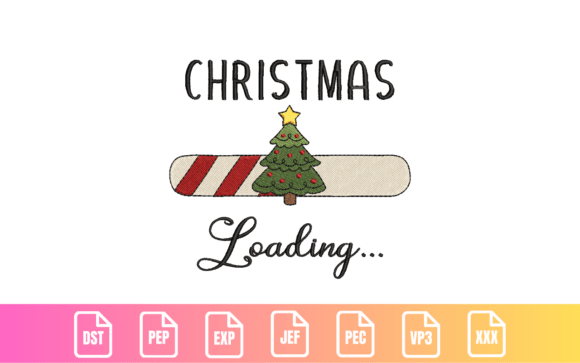
As an experienced embroidery designer preparing for the upcoming holiday craft fair season, I am constantly evaluating which digital assets will translate into best-selling physical products. When I first encountered the Christmas Loading machine embroidery design, my immediate reaction was that this is a winner for the modern handmade market. The description promises a modern and playful aesthetic featuring a loading bar decorated with candy-cane stripes, and from a production standpoint, this concept bridges the gap between tech-savvy humor and traditional festive warmth. For Etsy sellers, boutique makers, and creative entrepreneurs, this design offers a unique opportunity to stand out in a sea of generic reindeer and snowman motifs.
First Impressions and Market Positioning
The visual appeal of Christmas Loading lies in its relatability. We are all familiar with the anticipation of the holidays, and visualizing that wait as a buffering screen is both clever and cute. Unlike intricate Victorian styles or rustic farmhouse designs, this embroidery file targets a younger demographic and those who appreciate minimalist, graphic art. At a glance, the design feels bold yet approachable. The candy-cane stripe element within the loading bar ensures it retains its Christmas identity without being overly cluttered. For a booth display, this means the design reads clearly from a distance, which is crucial when customers are scanning tables filled with colorful merchandise. It strikes a perfect balance between funny and festive, making it an excellent candidate for impulse buys at weekend markets.
Best Product Applications for Craft Fairs
Determining where to place this design is just as important as the stitching itself. Based on the linear nature of a loading bar, Christmas Loading performs exceptionally well on items with horizontal real estate or structured surfaces.
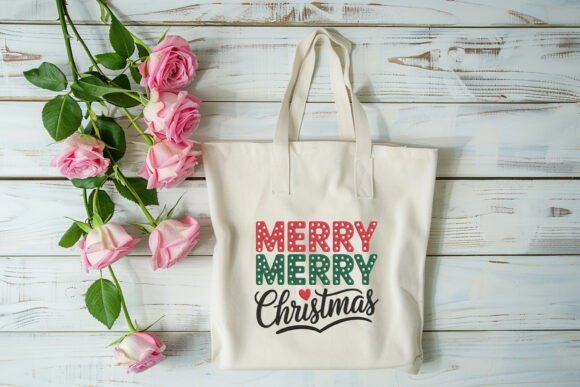
- Tote Bag Design: This is arguably the strongest application. Canvas tote bags provide a stable, flat surface that prevents distortion of the straight lines in the loading bar. A natural canvas bag with red and green thread creates a high-contrast, eco-friendly holiday shopper that appeals to practical buyers.
- Tea Towel Embroidery: Kitchen textiles are craft fair staples. Because tea towels are often hung or folded, the horizontal orientation of this design fits perfectly in the lower third or center of the towel. It serves as a functional decorative piece that sparks conversation in the kitchen.
- Apron Embroidery: For the hostess gift market, an apron featuring this playful design suggests a relaxed, fun approach to holiday baking. The chest area of a bib apron provides ample space for the design to be seen while the wearer is working.
- Embroidered Patch: Given the graphic, contained nature of the artwork, this digitization likely works beautifully as a patch. Patches are high-margin add-ons at craft fairs. Customers can buy them to iron onto denim jackets or backpacks later, extending the life of your inventory beyond the holiday season.
- Caps and Beanies: While curved surfaces can be tricky, the horizontal flow of a loading bar wraps nicely across the front of a cap. However, this requires precise hooping to ensure the bar does not look warped.
Production Practicality and Batch Efficiency
For small shop product lines, time is money. One of the significant advantages of Christmas Loading is its potential for batch production. Graphic designs with defined shapes typically have predictable run times compared to complex fill-stitch landscapes. This allows you to hoop multiple items or cycle through production quickly before a market. Furthermore, the design photographs exceptionally well for online listings. The clean lines and distinct color blocks make for crisp printable mockups and clear product photography, which is essential for Etsy sellers who rely on thumbnails to drive clicks. The design’s simplicity also means it is repeatable; you can stitch fifty tea towels, and they will look identical, ensuring brand consistency across your handmade product line.
Critical Technical Considerations
Despite its modern simplicity, there are technical factors every commercial embroidery business must verify before mass production. Always check the specific details of your digital embroidery file regarding stitch count and dimensions.
- Stitch Density and Fabric Texture: Loading bars often involve satin stitches or dense fills. If you are stitching on textured towels or thick canvas, you must use adequate stabilizer to prevent the design from sinking into the fabric weave. Test on scrap fabric first to ensure the candy-cane stripes remain distinct and do not merge due to tension issues.
- Small Lettering Clarity: If the design includes text like "Loading..." or a percentage, verify legibility at smaller sizes. Tiny lettering can become unreadable if resized down for a pocket or sleeve. Never assume a design scales infinitely; always confirm the minimum recommended size.
- Thread Colors and Contrast: The success of this design relies heavily on contrast. Red and white candy canes on a white towel may lack definition. Consider using a darker background fabric or outlining light elements to ensure visibility. Review your thread colors against your chosen blanks under booth lighting conditions, as indoor market lighting can wash out subtle shades.
- Hoop Size and Stabilizer: Confirm your hoop size accommodates the full width of the loading bar without requiring re-hooping. Using the correct stabilizer—tear-away for stable fabrics, cut-away for stretchy knits—is non-negotiable for professional results.
Enhancing Booth Display and Buyer Engagement
Visual merchandising plays a massive role in selling finished products. Because Christmas Loading is inherently humorous and relatable, use that to your advantage in your booth display. Group these items together to create a themed section rather than scattering them among traditional ornaments. Use signage that plays on the theme, such as "Holiday Spirit Buffering..." above your tote bags. This creates a cohesive narrative that stops shoppers in their tracks. For digital sellers offering the embroidery file itself, showcase real stitched samples alongside your digital mockups. Buyers need to see how the design assets translate to reality, especially regarding the texture of the candy-cane stripes. Demonstrating the finished product builds trust and validates the quality of your digitizing.
Final Designer Notes for Success
Before listing this as a craft fair product or adding it to your commercial embroidery catalog, conduct a thorough pre-production audit. Create at least one real mockup on your intended best-selling blank. Inspect the spacing between the loading bar segments to ensure no jump stitches are left untrimmed. Verify commercial licensing terms included with your purchase to protect your business legally. Finally, compare fabric colors in natural light. A design that looks vibrant on a screen might appear dull on unbleached linen. By treating Christmas Loading with the same technical rigor as a complex heirloom piece, you ensure that your handmade gifts reflect the premium quality your customers expect. This design has the potential to be a standout seller this season, provided it is executed with attention to detail and marketed to the right audience.