Joy to the World Hand Embroidery Pattern Review
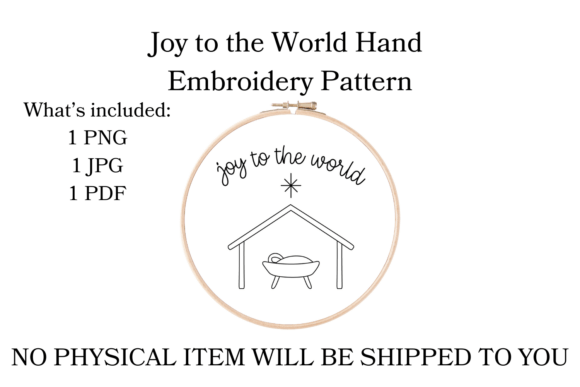
As a professional embroidery designer preparing a limited-edition holiday drop for a boutique brand, I approach every new design asset with a critical eye. When sourcing graphics for premium apparel, the balance between aesthetic appeal and technical viability is paramount. The Joy to the World Hand Embroidery Pattern immediately caught my attention as a potential centerpiece for our upcoming seasonal collection. Marketed as a minimalist, hand-drawn nativity design, it promises to celebrate the true meaning of Christmas through simple line art. However, translating a digital graphic into a tangible, high-quality garment requires more than just a pretty image; it demands an understanding of stitch physics, fabric interaction, and commercial durability. Here is my comprehensive evaluation of this pattern for small shop owners and apparel decorators considering it for their next sweatshirt or hoodie release.
First Impressions: Minimalist Aesthetics Meet Commercial Appeal
Upon reviewing the source files, the first thing that stands out about the Joy to the World Hand Embroidery Pattern is its deliberate simplicity. In the current market, where maximalist designs often compete for attention, this minimalist approach feels refreshingly premium. The line art style suggests a delicate, feminine, and rustic mood that aligns perfectly with modern neutral aesthetics. For a boutique brand, this is crucial. We are not looking for loud, novelty graphics; we are seeking timeless pieces that customers will wear year after year.
The layout appears balanced for center-chest placement on oversized hoodies or left-chest positioning on crewneck sweatshirts. The negative space within the design is generous, which is a significant advantage for sweatshirt embroidery. Heavy fleece fabrics can easily distort under dense stitching, but this open line art style reduces the risk of puckering while maintaining visual clarity. As a digital asset, it bridges the gap between traditional crafts and modern apparel decoration, making it suitable for both hand-stitching enthusiasts and those utilizing a machine embroidery design workflow.
Fabric Compatibility and Color Strategy
When planning a capsule collection, versatility is key. I evaluated how this pattern would translate across various fabric textures and colors commonly used in custom apparel production.
- Neutral Bases: On oatmeal, cream, or sand-colored sweatshirts, the design exudes a cozy, organic warmth. Using tonal thread colors (e.g., warm brown on cream) creates a subtle, high-end texture that appeals to customers seeking understated elegance.
- Dark Fabrics: For charcoal, forest green, or navy hoodies, contrast is everything. The line art must be bold enough to read against dark fibers without requiring excessive underlay, which adds stiffness. A metallic gold or crisp white thread would elevate the design, giving it a festive yet sophisticated glow suitable for evening wear.
- Pastel Palettes: Soft sage, dusty rose, or baby blue bases lean into the "cute" and "feminine" descriptors. Here, the hand-drawn nature of the pattern shines, evoking a handmade product feel that resonates deeply with Etsy shoppers looking for personalized gifts.
It is important to note that because this is described as simple line art, thread color selection will define the final personality of the garment. A single-color execution maintains minimalism, while introducing variegated threads could add a playful, artisanal touch. Always test your specific thread colors on scrap fabric before committing to a full production run, as screen brightness rarely matches physical thread sheen.
Technical Considerations for Sweatshirt Production
Beautiful graphics do not always guarantee successful embroidery. As designers, we must address practical concerns to ensure the Joy to the World Hand Embroidery Pattern survives the rigors of commercial embroidery and customer wear. Since specific technical specs like exact stitch count or hoop size were not provided in the initial brief, verifying these details is your first step before digitizing or stitching.
Stabilizer and Fabric Thickness
Sweatshirt fleece is unstable and stretchy. Even with a minimalist design, using the correct stabilizer is non-negotiable. For this pattern, I recommend a medium-weight cut-away stabilizer to support the line work without adding bulk. If the design includes fine details, a water-soluble topping may be necessary to prevent stitches from sinking into the fabric pile. The goal is to keep the embroidery lying flat and smooth, preserving the integrity of the garment's drape.
Stitch Density and Readability
Line art relies entirely on precision. If the stitch density is too low, the design looks sparse and cheap; if too high, it becomes stiff and prone to tunneling. When converting this graphic into an embroidery file, ensure the running stitches have adequate length to glide over the fabric texture rather than piercing it repeatedly. Small text elements within the "Joy to the World" motif must be tested for readability at smaller sizes. If you plan to offer this as a sleeve accent or cuff detail, verify that the lettering remains legible when scaled down. Illegible text devalues the perceived quality of custom apparel instantly.
Durability and Washing
Boutique customers expect longevity. Simple line art can sometimes be fragile in the wash if not anchored correctly. Ensure all start and stop points are secured properly during digitization. While the design is aesthetically delicate, the construction must be robust. Advise your customers to wash inside out in cold water to protect the embroidery. This care instruction not only preserves the product but also reinforces your brand’s commitment to quality.
Merchandising and Brand Value
Beyond the needle and thread, the Joy to the World Hand Embroidery Pattern serves as a powerful marketing tool. In the digital marketplace, presentation drives sales. This design’s clean lines make it exceptionally easy to create printable mockups for social media and Etsy listings. The minimalist aesthetic photographs well, allowing for lifestyle shots that focus on the wearer’s comfort and the garment’s fit rather than overwhelming visual noise.
For small business owners, this pattern offers strong brand identity potential. It signals a respect for tradition and craftsmanship, traits that build buyer trust. Whether you are selling finished goods or offering the digital embroidery file to other makers, the design’s versatility increases its value proposition. It works equally well as a standalone holiday piece or as part of a larger "Faith & Comfort" collection. Furthermore, because it celebrates the true meaning of Christmas without being overly cartoonish, it appeals to a broader demographic, from young mothers to older generations, expanding your potential customer base.
Final Verdict for Creative Entrepreneurs
After thorough evaluation, the Joy to the World Hand Embroidery Pattern earns a strong recommendation for boutique sweatshirt collections. Its strength lies in its adaptability; it is simple enough for beginners to attempt by hand yet refined enough for professional machine embroidery. It respects the fabric, suits current fashion trends, and carries an emotional resonance that drives holiday sales.
However, success depends on execution. Do not skip the sampling phase. Test the design on your specific blank apparel to confirm stabilizer choices and thread contrast. Verify licensing terms if you intend to sell the digital assets or mass-produce finished items. By treating this pattern with professional diligence, you transform a simple graphic into a signature product that embodies the spirit of the season and the quality of your brand. For Etsy sellers and apparel decorators alike, this design represents a harmonious blend of faith, fashion, and function, ready to bring joy to your customers' wardrobes.