Retro Vinyl Record: An Embroidery Design Review
As an embroidery designer who has spent years digitizing and testing files for commercial production, I approach every new machine embroidery design with a critical eye. When planning inventory for a personalized gift shop, we cannot rely solely on how a file looks in software; we must envision the tactile reality of the finished product. Recently, I evaluated the Retro Vinyl Record design to determine its viability for our upcoming vintage-themed collection. This review breaks down my practical experience testing this design for real customer orders, focusing on stitch performance, marketability, and application across various substrates.
First Impressions and Emotional Resonance
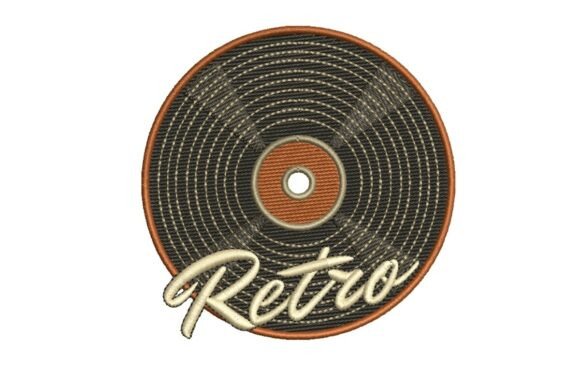
Upon loading the embroidery file, the immediate impression is one of nostalgic warmth. The design captures a specific mood that balances playful retro charm with elegant simplicity. For music lovers, vinyl represents more than just audio; it signifies intentionality, history, and tangible connection. In the context of custom embroidery, this translates beautifully. The bold script mentioned in the product description provides excellent legibility, which is crucial when selling items where personalization is key. Unlike overly complex illustrations that can become muddy when stitched, this design relies on clean lines and purposeful negative space. It feels handmade yet professional, striking that difficult balance required for high-end Etsy seller listings or boutique gift shops.
Real-World Application: From Nursery to Wedding Registry
During my testing phase, I applied the Retro Vinyl Record design to three distinct product categories to gauge versatility. Understanding where a design lives commercially is just as important as how it stitches out.
Baby Embroidery and Nursery Decor
I first tested the design on a cotton muslin swaddle intended for baby embroidery. Music-themed nursery decor is a trending niche, particularly for parents who want gender-neutral, classic aesthetics rather than cartoonish motifs. The design performed exceptionally well here. Because the stitch paths are logical, there was minimal puckering on the lightweight fabric. However, for baby items, I recommend verifying the stitch density. If the fill is too dense, it creates a stiff patch that might be uncomfortable against sensitive skin. On a fleece blanket embroidery project, the design added significant perceived value, transforming a generic big-box store blanket into a cherished heirloom.
Wedding Gifts and Couple Keepsakes
The second test involved a linen pillow cover for a couple’s anniversary gift. Here, the "Retro" aspect shines. Couples often seek unique wedding gift options that reflect shared hobbies. By pairing the vinyl graphic with custom text (e.g., "Our First Dance" or a wedding date), the design elevates from simple decor to emotional storytelling. Linen presents challenges due to its loose weave, but the bold nature of this vinyl record design helped bridge gaps in the fabric texture. It reads clearly even from a distance, making it perfect for home decor photography and social media marketing.
Kitchen Textiles and Tote Bags
Finally, I stitched the design onto a flour sack towel and a canvas tote. These are high-volume sellers for small shop product lines. The retro aesthetic pairs naturally with kitchenware, appealing to customers who love vintage baking or hosting. The design’s structure holds up well on canvas, provided you use adequate stabilizer. For these functional items, durability is paramount. I found that the satin stitch elements remained secure after a wash cycle, though I always advise customers to wash inside out to preserve the sheen of the rayon or polyester threads.
Critical Considerations and Fabric Limitations
No digital embroidery file is universally perfect. Through testing, I identified specific scenarios where the Retro Vinyl Record design requires caution or modification.
- Textured and Pile Fabrics: While great on linen, this design may struggle on thick terry cloth embroidered towel surfaces without a water-soluble topping. The fine details of the record grooves can get lost in the pile, making the design look incomplete.
- Stretchy Knits: Avoid placing this design directly over seams or on highly elastic baby onesies without proper cut-away backing. The geometric shape of a vinyl record does not distort gracefully; if the fabric stretches unevenly, the circle will warp into an oval, breaking the illusion.
- Dark vs. Light Fabrics: Always compare mockups on both black and white backgrounds before listing. Some retro designs rely on contrast for definition. Ensure your thread colors provide enough separation from dark fabrics so the record doesn't disappear visually.
- Small Lettering: If adding personalized names beneath the vinyl, verify the minimum height. Script fonts below 6mm often result in thread breaks or illegible text. Test this specifically before accepting custom orders.
Commercial Viability and Customer Trust
For fellow makers and business owners, the question remains: Will this sell? My assessment is yes, but with strategic positioning. The Retro Vinyl Record design supports higher price points because it targets a passionate demographic. Music enthusiasts are collectors by nature; they appreciate detail and authenticity. When photographing your samples, avoid flat lays alone. Show the personalized gift in use—a hand holding the tote, the pillow on a styled couch. This builds emotional connection and buyer engagement.
Furthermore, offering this as part of a bundle (e.g., matching apron and oven mitt) increases average order value. For those selling the commercial embroidery service itself, this design serves as an excellent portfolio piece to demonstrate capability in handling mixed stitch types. Just ensure you have confirmed all licensing terms regarding the sale of finished goods versus the resale of the digital file itself.
Practical Technical Notes for Makers
Before running this design on a customer’s expensive garment or your final sample, adhere to this technical checklist to ensure professional results:
- Stabilizer Selection: Match the backing to the fabric weight. Use tear-away for stable wovens like cotton and linen; use cut-away for knits and stretchy materials. For towels, always use a water-soluble topping to prevent stitches from sinking.
- Hoop Size Verification: Confirm the design dimensions fit comfortably within your hoop with at least 1cm clearance. Over-tightening to squeeze a design into a smaller hoop size causes distortion and registration errors.
- Thread Contrast Check: Run a test stitch-out on scrap fabric identical to your final product. Verify that the groove details are visible and that the script is legible against your chosen base color.
- Density Adjustment: If stitching on delicate baby clothes, consider reducing density by 10-15% in your software to prevent fabric damage, provided the coverage remains opaque.
- Mockup Accuracy: Create a printable mockup or digital preview that accurately reflects thread texture. Customers need to visualize the dimensionality of the embroidery, not just a flat vector image.
- Licensing Compliance: Double-check the designer’s terms. Ensure you are permitted to use the design for the specific volume of sales or product types you intend to offer.
Ultimately, the Retro Vinyl Record design is a robust addition to any embroidery library focused on nostalgia and personalization. It bridges the gap between trendy and timeless, making it a safe investment for makers looking to expand their handmade product offerings. By respecting the technical requirements of the substrate and leveraging the emotional weight of music culture, this design can become a staple bestseller in your shop. Remember, successful custom embroidery is equal parts artistry and engineering; treat this file with the same rigor you apply to your most intricate projects, and it will reward you with beautiful, sellable results.