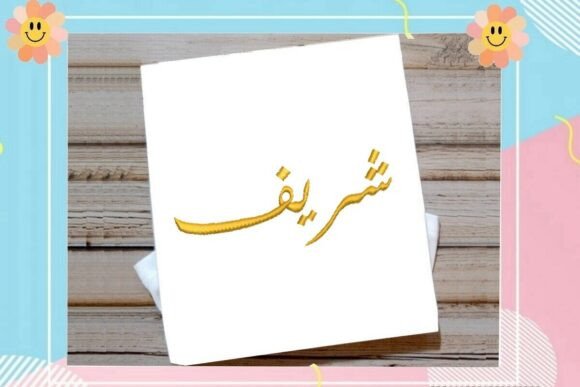
Shaimaa Arabic Name: Elegant Embroidery Review
As an embroidery designer preparing for a busy weekend craft fair, my selection process is rigorous. I cannot afford to hoop a design that looks beautiful on a screen but fails to translate into a sellable handmade product. When evaluating the Shaimaa Arabic Name design for my upcoming market table, I am looking at more than just aesthetics; I am analyzing stitch integrity, cultural resonance, and commercial viability. This review breaks down how this specific machine embroidery design performs in a real-world production environment, specifically for sellers targeting the Babies Kids category and heritage-focused buyers.
First Impressions: Elegance Meets Cultural Heritage
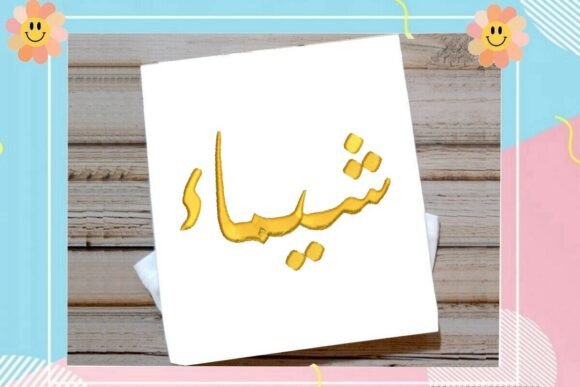
The first impression of Shaimaa Arabic Name is undeniably elegant. Unlike blocky or overly cartoonish name designs often found in the kids' category, this embroidery file leans into traditional Islamic calligraphy. The flow of the Arabic script suggests a premium, graceful aesthetic rather than a utilitarian label. For a craft fair booth, this visual distinction is critical. In a sea of generic personalized items, Shaimaa Arabic Name stands out as a piece of art. It feels respectful and sophisticated, which immediately elevates the perceived value of any item it adorns. However, elegance in digitizing requires precision. The curves must be smooth, and the tapering of the strokes must be consistent to avoid a jagged appearance that cheapens the final look.
Best Product Applications for Market Sales
Determining where to place Shaimaa Arabic Name is key to maximizing sales. Based on the design’s characteristics, here is how it performs across different craft fair product categories:
- Baby Keepsakes and Nursery Decor: Given the Babies Kids categorization, this design shines on pillow covers and blanket bindings. The calligraphic style suits nursery decor perfectly, offering a softer alternative to standard block lettering. Parents seeking culturally significant gifts are likely to stop for this.
- Tote Bag Design: Canvas totes provide a stable, flat surface ideal for intricate calligraphy. Shaimaa Arabic Name works beautifully as a centered focal point on natural cotton canvas. The contrast of dark thread on unbleached fabric creates a high-end boutique look that photographs exceptionally well for Etsy seller listings.
- Tea Towel Embroidery: While tea towels are popular, they present challenges. If using flour sack towels, the design holds up well. However, on textured terry cloth, the fine details of the Arabic script may get lost. I recommend using this design only on smooth-weave kitchen linens to maintain legibility.
- Apron Embroidery: Placing Shaimaa Arabic Name on the chest area of a linen apron creates a lovely personal touch for mothers and grandmothers. The vertical space usually available on aprons accommodates the natural flow of Arabic script better than horizontal placements.
Production Practicality and Booth Display Strategy
For a small shop product line, repeatability is essential. Shaimaa Arabic Name appears to be a design that can be batched efficiently, provided the hooping is consistent. From a booth display perspective, this design acts as a conversation starter. Because it represents a specific name with cultural significance, it attracts customers looking for representation. I plan to display a finished sample alongside a printable mockup showing the design in different thread colors. This helps customers visualize custom orders without requiring me to stitch every variation. The design’s elegance also pairs well with other Islamic art assets, allowing for cohesive branding across my table.
Critical Technical Considerations for Stitch-Out Success
While the design is visually appealing, practical application requires caution. As with any script-based digital embroidery file, there are specific technical constraints to watch for:
- Stitch Density and Fabric Texture: Calligraphy often involves varying stitch widths. Before running Shaimaa Arabic Name on a final product, test the stitch density on scrap fabric. If the design is too dense for lightweight baby clothes, it may cause puckering. Conversely, if it is too sparse on heavy canvas, it may look weak. Adjustments may be necessary based on your specific machine and material.
- Small Lettering Clarity: If you intend to resize Shaimaa Arabic Name down for a small tag or sleeve cuff, proceed with extreme caution. Arabic script relies on connected strokes; reducing the size too much can cause the connections to break or become illegible blobs. Always verify the minimum safe size in your software before production.
- Stabilizer Selection: Do not rely on tear-away stabilizer alone for this design. The fluid nature of the calligraphy requires a cut-away or no-show mesh stabilizer to prevent distortion during stitching, especially on stretchy knits used in the Babies Kids category.
- Thread Contrast: This design demands high contrast. Tone-on-tone embroidery, while trendy, often fails with intricate calligraphy because the shadows and highlights of the stitches disappear. Use metallic or deep satin threads against matte fabrics to ensure Shaimaa Arabic Name remains readable from a distance.
Designer Notes for Commercial Viability
Before listing any item featuring Shaimaa Arabic Name as a commercial embroidery product, verify your licensing. Ensure the design assets include permission for selling finished goods. Additionally, create at least one physical prototype. Digital previews can be deceiving regarding scale and sheen. A real-world test allows you to check if the hoop size selected provides adequate margin for the design to breathe. Finally, consider your audience. When marketing this finished product, emphasize the meaning and the artisanal quality of the calligraphy. Customers buying heritage items are purchasing connection and identity, not just decoration. By treating Shaimaa Arabic Name with technical respect and cultural mindfulness, you transform a simple embroidered patch or garment into a cherished heirloom that justifies a premium price point at your next market.