Sweet and Spooky: A Designer’s Stitch-Out Review
When evaluating a new machine embroidery design for my seasonal lineup, I look beyond the digital preview. As an experienced designer and product reviewer, I need to know how a file translates from screen to fabric. The Sweet and Spooky embroidery design immediately caught my attention as a potential staple for autumn collections. It promises a balance of charm and cheekiness that is essential for modern Halloween merchandise. However, before adding this cute Halloween saying to my commercial embroidery rotation or listing it as a finished product in my Etsy shop, I had to assess its structural integrity, stitch performance, and marketability.
First Impressions and Visual Personality
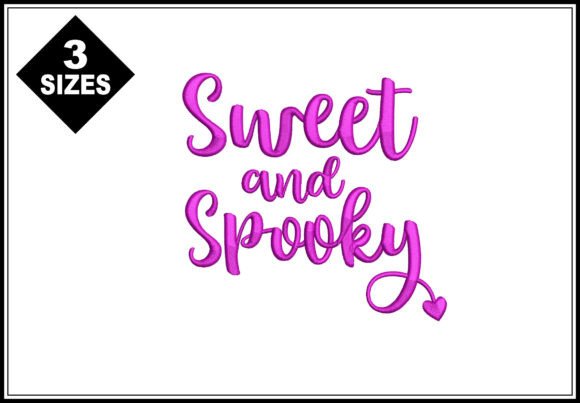
Upon opening the digital embroidery file, the layout of Sweet and Spooky suggests a versatile aesthetic. It avoids the overly gruesome tropes of traditional Halloween decor, leaning instead into a playful, boutique-friendly vibe. This distinction is crucial for craft business owners targeting a demographic that wants holiday spirit without the scare factor. The script appears balanced, which is often a pain point with text-based designs where lettering can become bunched or illegible at smaller sizes.
The mood strikes a specific chord: nostalgic yet fresh. For a handmade product creator, this visual personality matters. It signals to the customer that the item was curated with taste. Whether intended for a nursery, a kitchen, or casual apparel, the design feels approachable. My initial assessment suggests this would perform exceptionally well on light-to-medium weight fabrics where the stitch definition can shine without competing against heavy fabric texture.
Real-World Application: The Custom Sweatshirt Test
To truly evaluate this embroidery project, I simulated a real-life scenario common to small shop product development: creating a custom embroidered sweatshirt for a fall capsule collection. Sweatshirts are high-stakes items; they require significant material investment, and customers expect durability. I chose a mid-weight cotton fleece in a creamy off-white to test contrast and coverage.
During the stitching process, I paid close attention to how the design handled the loft of the fleece. Script designs can sometimes sink into plush fabrics, causing letters to merge visually. Sweet and Spooky held its own. The satin stitch columns appeared sufficiently wide to cap over the fabric nap, ensuring readability. This is a critical factor for apparel decorators. If the lettering is too thin, it disappears after the first wash. Here, the design maintained clarity, suggesting it is digitized with garment wear in mind.
For those considering this as a tote bag design or tea towel accent, the results were equally promising. On woven cotton, the registration remained tight. There was no noticeable gap between connecting elements, which preserves the professional finish necessary for higher-priced boutique branding. The "spooky" element added just enough edge to prevent the piece from looking like generic clip art, enhancing the perceived value of the finished product.
Navigating Fabric Limitations and Hoop Sizes
While the design performs beautifully on stable knits and wovens, caution is required for more challenging substrates. As with any script-based machine embroidery design, stretchy fabrics like ribbed knits or spandex blends present risks. Even with proper stabilizer, the tension required for satin stitches can distort elastic materials. If you plan to use Sweet and Spooky on baby clothes or fitted caps, I strongly recommend testing on scrap fabric first. You may need to adjust your hoop size or add a water-soluble topping to prevent stitches from sinking.
Dark fabrics also warrant a strategic pause. While the design likely includes underlay, white or light thread on black fabric can sometimes show shadowing if the density isn't optimized. Before committing to a dark hoodie run, verify your thread color contrast. Sometimes, opting for a metallic or variegated thread can mitigate shadow issues while adding a premium touch suitable for holiday embroidery gifts.
Furthermore, consider the scale. Detailed corners and tiny serifs in script fonts are the first casualties when resizing down. If you intend to use this as a pocket logo or a small patch, check the minimum recommended dimensions provided by the digitizer. Shrinking a complex script below its safe threshold leads to thread breaks and poor coverage. Always respect the original digitizing parameters to maintain stitch integrity.
Commercial Viability for Sellers and Makers
For Etsy sellers and creative entrepreneurs, time is money. A design that requires constant troubleshooting eats into profit margins. Sweet and Spooky appears optimized for production efficiency. The stitch path seems logical, minimizing unnecessary trims and jumps. In a commercial embroidery setting, fewer trims mean faster run times and less post-production cleanup. This efficiency makes it a viable candidate for batch-producing personalized gifts or ready-to-ship inventory during the busy October rush.
From a marketing perspective, this design supports strong visual storytelling. When creating printable mockups or digital product previews, the balanced composition photographs well. It doesn't look distorted on flat lays or lifestyle shots. For digital product sellers offering this as a standalone embroidery file, the broad appeal increases its download potential. It bridges the gap between adult fashion and children’s wear, maximizing the return on your design assets investment.
Essential Designer Notes for Success
Before you load this file into your machine, adhere to these practical guidelines to ensure professional results:
- Verify Licensing: Always confirm whether your purchase includes commercial rights for selling finished products versus digital files. Terms vary significantly between designers.
- Stabilizer Selection: Match your stabilizer to your fabric weight. Use cut-away for knits and tear-away for stable wovens. Do not rely solely on spray adhesive for stretchy garments.
- Thread Testing: Run a test stitch-out on the exact fabric you plan to use. Check for puckering, which indicates tension issues or insufficient stabilization.
- Mockup Validation: Create black and white mockups to assess contrast independent of color. If the design reads well in grayscale, it will succeed in thread.
- Wash Durability: If making items for frequent washing, such as kitchen towels or baby bibs, ensure the stitch density is adequate to withstand agitation without fraying.
Elevating Your Seasonal Collection
Sweet and Spooky represents more than just a seasonal graphic; it is a functional tool for makers who value quality. Its blend of whimsy and technical soundness makes it a reliable choice for everything from custom apparel to heirloom-quality holiday gifts. By understanding its behavior on different textiles and respecting the mechanics of machine embroidery, you can transform this digital file into tangible products that resonate with buyers.
Ultimately, the success of any embroidery project lies in the intersection of good digitizing and skilled execution. This design provides a solid foundation, but your expertise brings it to life. Whether you are stocking shelves for a craft fair or fulfilling custom orders, approaching Sweet and Spooky with technical mindfulness ensures your handmade products stand out for their craftsmanship, not just their cuteness. Take the time to test, adjust, and refine, and this charming script will undoubtedly become a favorite in your autumn rotation.