What the Duck: A Designer’s Sweatshirt Review
As an embroidery designer constantly scouting for fresh graphics that translate well from screen to fabric, I approach every new machine embroidery design with a critical eye. When evaluating "What the Duck" for an upcoming boutique sweatshirt collection, my primary focus is not just on the humor of the phrase, but on how the line art will physically perform on heavy fleece and French terry fabrics. This review breaks down the technical and aesthetic viability of this sassy line art design for small clothing brands, Etsy sellers, and apparel decorators looking to add a playful yet premium item to their inventory.
First Impressions: Line Art Meets Sassy Attitude
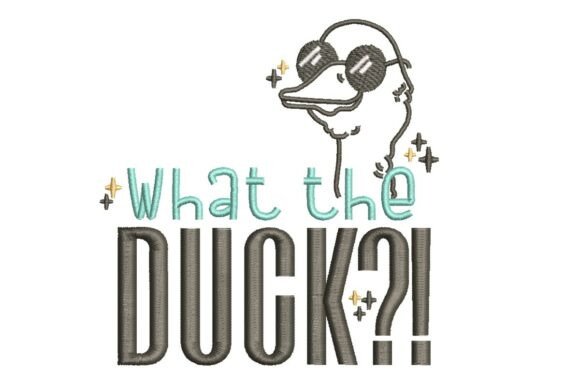
The immediate appeal of "What the Duck" lies in its stylistic balance. In the crowded niche of Animal Quotes, it is easy to find designs that are either too juvenile or overly complex. This design strikes a specific middle ground that appeals to the modern adult crafter and buyer. The description highlights a stylish line-art duck head wearing trendy accessories, which suggests a level of sophistication often missing in novelty embroidery. For a boutique brand, this distinction is vital. We are not selling a barnyard graphic; we are selling a mood. The line art style implies a minimalist aesthetic that feels intentional rather than cluttered, making it suitable for high-end custom apparel where negative space is as important as the stitching itself.
From a digitizing perspective, line art can be deceptive. It looks simple on a monitor, but on a sweatshirt, those single lines must hold up against the pile of the fabric. The "sassy" expression mentioned in the product details relies entirely on precise stitch placement. If the eyebrow or beak angle shifts by even a millimeter during production due to poor compensation, the attitude disappears. However, assuming the embroidery file is digitized with proper pull compensation, this design has the potential to look incredibly chic and expressive.
Translating Digital Assets to Premium Fleece
When planning a limited drop for an online shop, fabric choice dictates design success. "What the Duck" presents unique opportunities and challenges across different garment types. On neutral sweatshirts like oatmeal, charcoal, or sage green, the line art serves as a refined accent. Because the design features a duck wearing "trendy ro" (likely referring to rose-colored glasses or similar eyewear), there is a built-in opportunity for color blocking. I envision using a monochrome thread for the duck’s outline and a contrasting metallic or neon thread for the accessory. This elevates the finished product from basic merchandise to a curated fashion piece.
For oversized hoodies, placement is everything. A centered chest placement works best for this type of sassy quote and icon combination. It allows the hoodie design to be visible in lifestyle photography and mirror selfies, which drives engagement on social media platforms essential for Etsy sellers. Conversely, placing this design on the back of a sweatshirt with a smaller sleeve accent creates a high-value perception. The line art style is versatile enough to scale down for a sleeve logo without losing readability, provided the stitch density is adjusted to prevent puckering on thinner cuff ribbing.
Pastel colors present a specific challenge for line art. Dark threads on pale pink or baby blue fleece can sometimes look harsh if the contrast is too stark. For these garments, I would recommend testing tonal thread colors—perhaps a deep plum on blush or a navy on cream—to maintain that soft, boutique aesthetic while ensuring the "What the Duck" message remains legible.
Technical Considerations for Commercial Embroidery
Before loading this digital embroidery file into a multi-needle machine for production, several practical concerns must be addressed. Sweatshirt embroidery requires robust stabilization. Because this is a line art design, it likely lacks the underlying fill stitches that help stabilize the fabric naturally. Using a cutaway stabilizer is non-negotiable here to prevent the fabric from shifting and distorting the duck’s facial expression. I also recommend a water-soluble topping to keep the fleece pile pushed down, ensuring the line work sits crisp and clean on top of the texture.
Thread colors and contrast ratios are critical for commercial viability. While the design is described as cool and sassy, visibility determines sales. Always verify the hoop size requirements before purchasing. If you are running a small shop product line, you need to ensure the design fits within your most commonly used hoops to maximize production efficiency. Furthermore, check the stitch count relative to the size. Line art should be efficient; if the stitch count is disproportionately high for a line drawing, it may indicate excessive underlay or unnecessary trims that could slow down your commercial embroidery workflow.
Durability is another factor for handmade products intended for regular wear. Line art stitches are more exposed to friction than satin columns or tatami fills. Ensure the design uses strong, high-quality polyester or rayon threads and appropriate needle sizes to anchor the stitches deeply into the fleece. A sassy sweatshirt loses its charm quickly if the duck’s sunglasses unravel after two wash cycles. Always run a sew-out on the exact fabric you intend to sell before listing any Etsy seller listings or launching a website drop.
Merchandising and Brand Identity Impact
Beyond the needle and thread, "What the Duck" functions as a powerful branding asset. For creative entrepreneurs, humor is a connection point. This design bridges the gap between rustic farm aesthetics and modern sass, allowing it to fit into diverse brand identities. Whether your shop focuses on cozy seasonal apparel, feminine cottagecore, or bold streetwear, the adaptable nature of line art allows this single design to serve multiple niches.
Visual recognition is key for digital sales. When creating printable mockup previews or photographing samples, the clean lines of this design photograph exceptionally well. Unlike dense, complex embroidery that can look muddy in low-light photos, line art retains its definition. This makes it easier for customers to understand exactly what they are buying, reducing return rates and increasing buyer trust. The "shock and humor" element mentioned in the description acts as a hook, stopping the scroll in crowded marketplaces.
However, value perception depends on execution. A sloppy version of "What the Duck" looks like cheap novelty gear. A crisp, well-stabilized, thoughtfully colored version looks like exclusive boutique apparel. As an experienced designer, I advise treating this design assets purchase as an investment in your brand's quality standard. Pair it with high-quality blanks, professional photography, and detailed product descriptions that highlight the craftsmanship. This transforms a funny animal quote into a staple piece that customers are proud to wear and share.
Final Verdict for Apparel Decorators
"What the Duck" shows significant promise for the current market of sassy, relatable apparel. Its line art construction offers flexibility for various garment styles, from pastel cardigans to dark oversized hoodies. The key to success lies in respecting the technical demands of embroidering fine lines onto textured fabrics. By prioritizing proper stabilization, thoughtful thread selection, and rigorous testing, small business owners can turn this machine embroidery design into a profitable, signature product. Just remember to verify all file specifications and test on your specific fabric texture before committing to a full production run. When executed correctly, this design delivers the perfect blend of humor and style that today’s handmade market craves.