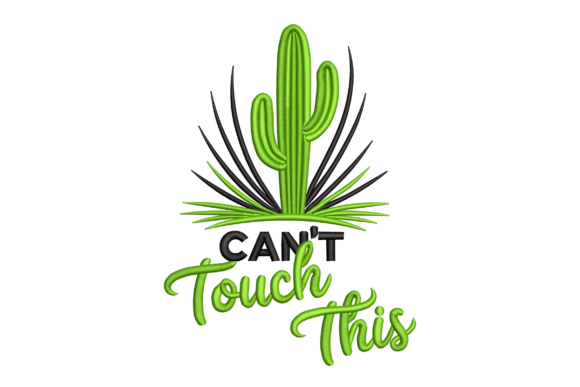
Can't Touch This Cactus: Merch Review
As an experienced embroidery designer specializing in commercial branding and small business merchandise, I approach every new design file with a critical eye. When evaluating the Can t Touch This Cactus machine embroidery design, my primary focus is not just on its aesthetic appeal, but on its functional viability for production environments. For shop owners, Etsy sellers, and apparel decorators, a design must perform consistently across various substrates while maintaining brand integrity. This review analyzes how this specific digital embroidery file translates from screen to finished product for business applications.
Visual Personality and Brand Alignment
The first impression of Can t Touch This Cactus is distinctly playful yet structured. In the realm of inspirational embroidery, it strikes a balance between whimsy and assertiveness. The stylized cactus rendered in bright green with bold outlines suggests a modern, approachable vibe, while the long black spikes add necessary contrast and definition. For a small business, this visual language communicates boundaries with humor, making it ideal for brands that want to appear friendly but professional.
From a digitizing perspective, the combination of bold outlines and text is a strong indicator of durability. Thin lines often get lost on textured fabrics or after repeated washing, but the description implies a robust structure. This makes the design suitable for businesses like florists, plant shops, creative studios, or even edgy bakeries looking for unique staff uniforms. The phrase itself serves as a memorable tagline that can enhance brand identity without feeling overly corporate. It transforms a standard logo placement into a conversation starter, increasing buyer engagement and customer recall.
Commercial Applications for Small Business Merch
When integrating Can t Touch This Cactus into a product line, versatility is key. Based on the design elements described, here is how I recommend deploying this asset across different merchandise categories:
- Embroidered Patches: The bold outlines and distinct color blocks make this an excellent candidate for patch production. Patches require high stitch density and clear borders to prevent fraying. The bright green body against black spikes provides the necessary contrast for visibility at smaller sizes, making it perfect for jacket sleeves, backpacks, or hat brims.
- Apron Embroidery: For cafés, potteries, or gardening centers, aprons are prime real estate. The vertical nature of a cactus design typically fits well on apron bibs or pockets. The playful message aligns perfectly with service industry humor or maker culture, adding personality to functional workwear.
- Tote Bag Design: Canvas tote bags are staples for handmade brands and retail boutiques. The design’s stylized nature should stitch out cleanly on canvas, provided the correct stabilizer is used. It serves as both a branded shopping bag and a standalone retail item for customers who resonate with the sassy, inspirational message.
- Cap Embroidery: Headwear presents unique challenges due to curvature and limited space. However, if the text component is legible at reduced sizes, this design could work beautifully on unstructured dad hats or trucker caps. The cactus shape is generally compact, which helps avoid distortion on curved surfaces.
Production Considerations and Technical Limits
While Can t Touch This Cactus shows great promise, professional embroiderers must exercise caution in specific scenarios. Not every fabric or application is suitable for every file. Understanding these limitations prevents wasted materials and ensures a premium finished product.
Fabric Texture and Stabilizer Selection
The bold outlines mentioned in the product description are advantageous, but they also demand proper support. On stretchy knits or performance wear, inadequate stabilization can cause puckering around the dense satin stitches likely used for the cactus body and text. Always pair this design with appropriate cut-away or tear-away stabilizer based on the fabric weight. For textured fabrics like terry cloth or fleece, consider using a water-soluble topping to prevent the black spike details from sinking into the pile and becoming invisible.
Size Reduction and Legibility
One of the most common issues in commercial embroidery is resizing complex designs too small. While the cactus icon may scale down effectively for a pocket logo or sleeve accent, the accompanying text requires careful evaluation. If you intend to use this for tiny labels or minimalist chest logos, verify that the lettering remains readable. Text below 0.25 inches in height often becomes illegible unless specifically digitized for micro-stitching. Before committing to bulk production on small items, run a test stitch-out at your intended minimum size to confirm clarity.
Washability and Durability
For staff uniforms and custom apparel that undergo frequent laundering, thread color contrast matters. Bright green thread can sometimes bleed or fade if low-quality threads are used or if wash instructions aren't followed. Ensure you are using high-tenacity polyester or rayon threads rated for commercial washing. Additionally, check the stitch density; overly dense areas combined with bold outlines can create bulletproof spots that pucker after drying. A sew-out test on the actual garment material is non-negotiable for uniform contracts.
Strategic Value for Handmade and Retail Brands
Beyond technical execution, Can t Touch This Cactus offers strategic value for brand positioning. In the saturated market of handmade products and Etsy shops, differentiation is essential. This design moves beyond generic botanical art by incorporating personality-driven copy. It signals to customers that the brand has a voice.
For product designers and merch creators, this asset can serve multiple roles within a collection. It can be the hero image on a seasonal launch, a subtle accent on packaging, or a bonus sticker design included with orders. The inspirational category tag suggests positivity, but the specific phrasing adds a layer of modern empowerment that resonates with younger demographics. When used consistently across touchpoints—from social media printable mockups to physical tags—it reinforces visual consistency and professionalism.
Essential Pre-Production Checklist for Designers
Before loading this embroidery file into your machine for a client project or inventory build, complete this professional verification process:
- Verify Commercial Licensing: Never assume a digital embroidery file includes rights for selling finished products or mass-producing patches. Check the license terms explicitly to ensure your intended business use is permitted.
- Create Printable Mockups: Before stitching, place the design digitally on photos of your actual blanks (caps, totes, aprons). This helps visualize scale and placement relative to seams and pockets, saving time on physical sampling.
- Test in Black and White: Print a line drawing of the design or view it in grayscale on your software. This reveals whether the design relies too heavily on color contrast rather than structural definition. Good embroidery should read well even without color.
- Check Hoop Size Compatibility: Confirm the design dimensions fit comfortably within your available hoops with adequate margin for clamping. Overstretching fabric to fit a design leads to registration errors and distortion.
- Inspect Spacing and Kerning: Zoom in to 400% or higher. Look for overlapping stitches in the text or gaps between the cactus outline and fill. These digital artifacts translate directly to production flaws.
- Compare Beside Other Assets: Place Can t Touch This Cactus next to your existing brand logos. Does the stitch style match? Is the outline weight consistent? Visual cohesion across different design assets elevates the perceived value of your merchandise.
- Conduct a Fabric-Specific Test: Stitch the design on the exact material you plan to sell. Evaluate coverage, tension, and hand-feel. Adjust pull compensation or underlay settings if the fabric texture interferes with the crispness of the spikes or text.
Ultimately, Can t Touch This Cactus represents a versatile opportunity for small business merchandise when executed with professional diligence. Its blend of bold graphics and witty typography offers strong potential for patches, apparel, and accessories. By respecting technical constraints and validating the file through rigorous testing, embroiderers can transform this playful digital asset into a profitable, high-quality component of their commercial offerings. Always prioritize testing and licensing verification to ensure your branded embroidery projects succeed in the competitive marketplace.