Cute Valentine 67 Donut Bow: A Designer Review
As an embroidery designer curating a seasonal collection, I am constantly evaluating which digital assets will translate into best-selling physical products. When reviewing the Cute Valentine 67 Donut Bow, my primary focus is not just on the aesthetic appeal of the screen preview, but on how this machine embroidery design performs during actual production and whether it resonates with holiday shoppers. This design offers a stylish update for fabrics, promising to embellish t-shirts, towels, or home decor with vibrant and imaginative flair. However, before adding any new embroidery file to a commercial lineup, we must assess its versatility, stitch integrity, and marketability for the upcoming Valentine's Day rush.
First Impressions: Seasonal Mood and Decorative Style
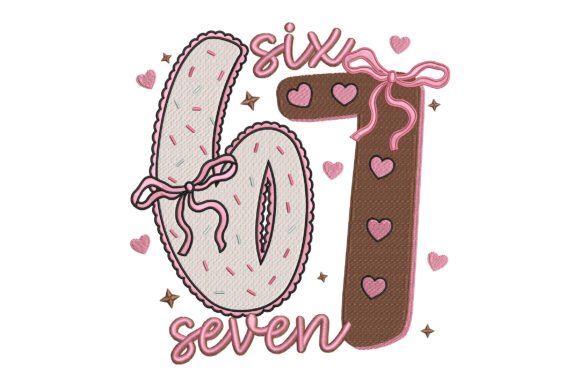
The immediate emotional tone of the Cute Valentine 67 Donut Bow is undeniably playful yet polished. In the saturated market of holiday embroidery, finding a balance between "cute" and "premium" is essential for attracting discerning Etsy sellers and boutique owners. This design leans into a modern, whimsical aesthetic that feels fresh rather than nostalgic or dated. The combination of the donut motif with a bow element suggests a fusion of sweet treat culture and traditional gift-giving imagery, making it highly relevant for contemporary handmade gift makers.
From a decorative standpoint, the detail level appears optimized for visual recognition without becoming overly dense. This is crucial for seasonal embroidery where customers often want bold, readable graphics that photograph well for social media previews. The style strikes a chord for apparel decorators looking for sweatshirt embroidery that appeals to both younger demographics and adults seeking lighthearted festive wear. It avoids being overly juvenile, allowing it to transition seamlessly from baby items to adult fashion accessories.
Real-World Application for Holiday Product Lines
When building a limited-time product drop or a comprehensive Valentine’s Day collection, versatility is key. The Cute Valentine 67 Donut Bow shows significant promise across multiple categories. For apparel, specifically sweatshirts and tees, the design serves as an excellent center chest or left-chest placement. Its imaginative flair makes it ideal for matching family sets or couple’s outfits, which are high-volume sellers in January and February.
Beyond clothing, this design is a strong candidate for home decor and functional gifts. As a kitchen towel embroidery project, it adds a festive touch that encourages repeat purchases from customers who collect seasonal linens. For tote bag designs, the graphic nature of the donut and bow ensures the image remains distinct even when viewed from a distance at craft fairs. I can also envision this working beautifully as an embroidered patch for denim jackets or backpacks, offering a lower price point entry for small shop products.
For those focusing on personalized gifts, this design provides ample negative space or complementary areas for adding custom names or dates. Whether applied to a pillow cover for a romantic bedroom update or an apron for baking enthusiasts, the design supports the narrative of cozy, celebratory domesticity that drives holiday sales.
Strategic Merchandising and Buyer Emotion
The success of a digital embroidery file often depends on how it is presented to the end buyer. The Cute Valentine 67 Donut Bow affects buyer emotion by evoking feelings of joy and indulgence. To maximize this, sellers should create realistic printable mockups that show the design on textured fabrics like fleece or linen, rather than flat digital renders. Visual recognition is heightened when the design is photographed in natural lighting alongside props like pink sprinkles, red ribbons, or vintage valentines.
Trust is built through consistency. If you are using this design for commercial embroidery, ensure your color palette aligns with your brand’s existing Valentine’s offerings. This design’s vibrant nature allows for creative thread substitutions, but maintaining a cohesive shop aesthetic helps convert browsers into buyers. Engagement increases when customers can visualize the finished product in their own lives, so showcasing the design on diverse garment colors and fabric types is a recommended strategy.
Technical Considerations and Usage Cautions
While the Cute Valentine 67 Donut Bow is aesthetically versatile, technical execution requires careful planning. As with any machine embroidery design, performance varies based on substrate and stabilization. Here are specific areas where caution is advised:
- Fabric Texture and Stability: When stitching on thick towels or plush fleece, use a heavy-duty stabilizer and consider a water-soluble topping to prevent stitches from sinking into the pile. The intricate details of the bow could get lost without proper support.
- Stretchy Garments: For sweatshirt embroidery or knit tees, always use a cut-away stabilizer to prevent puckering. Test the stitch density on a scrap piece first; if the design is too dense for lightweight knits, it may cause fabric distortion.
- Small Hoop Sizes: Before purchasing or stitching, confirm the hoop size requirements. Resizing a complex design down for a 4x4 hoop can compromise stitch integrity and legibility. Always check the original dimensions provided with the embroidery file.
- Dark Fabrics and Metallic Threads: If using metallic threads for a premium holiday look, reduce machine speed and use a larger needle to prevent thread breaks. On dark fabrics, ensure the underlay is sufficient to prevent the fabric color from showing through lighter thread colors.
- Washability: For items needing repeated washing like kitchen towels or baby bibs, verify that the stitch type is durable. Satin stitches should be secured properly to withstand laundering without fraying.
Designer Notes for Production Success
To ensure the Cute Valentine 67 Donut Bow meets professional standards, I recommend the following workflow before listing any finished product for sale:
- Verify Specifications: Since exact stitch counts, formats, and license terms are not universally standardized, always review the specific product details provided by the digitizer. Confirm commercial licensing allows for the sale of finished goods versus just the digital file itself.
- Thread Color Testing: Do not rely solely on the chart included with the digital embroidery file. Stitch out a sample using your preferred thread brand on both light and dark fabric. Colors render differently depending on sheen and material.
- Stabilizer Selection: Match your stabilizer to the end-use. A tear-away might suffice for a woven tote bag, but a no-show mesh cut-away is superior for apparel. Proper stabilization is the difference between a homemade look and a professional finish.
- Mockup Creation: Invest time in creating high-quality visuals. Use the stitched sample to photograph real-life applications. Customers need to see how the design interacts with fabric texture and garment seams.
- Detail Review: After your test stitch-out, inspect the registration. Ensure the bow aligns perfectly with the donut outline. Misalignment in multi-color designs is the most common flaw in seasonal embroidery production.
Ultimately, the Cute Valentine 67 Donut Bow represents a valuable asset for holiday product creators. By combining its inherent charm with rigorous technical testing and strategic merchandising, embroiderers can transform this digital file into tangible, profitable seasonal treasures. Whether you are an established Etsy seller or a hobbyist turning pro, approaching this design with a critical eye for production quality will ensure your Valentine’s Day collection stands out in a crowded marketplace.