Hello 2026: A Modern Outline Embroidery Review
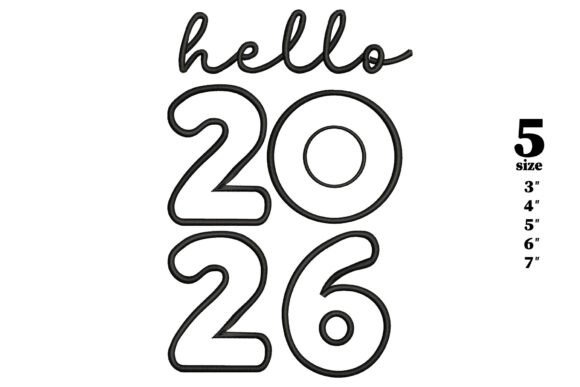
As we look toward future holiday seasons, the demand for fresh, contemporary aesthetics in machine embroidery design continues to grow. When evaluating the Hello 2026 design, my first impression is one of clean sophistication. This is not your traditional, dense holiday motif filled with heavy satin stitches and complex shading. Instead, it presents a chic, modern outline style featuring cursive script positioned above large numerical graphics. For an experienced embroiderer or an Etsy seller planning ahead, this specific visual personality signals versatility. It feels less like a rigid seasonal decoration and more like a lifestyle statement that bridges the gap between festive celebration and everyday wearable art.
First Impressions and Design Aesthetics
The mood created by Hello 2026 is undeniably optimistic yet restrained. In the world of Holidays Celebrations, there is often a tendency toward maximalism, but this design takes a confident step back. The cursive "hello" adds a human, handwritten touch that softens the bold geometry of the year digits. From a designer’s perspective, this balance is crucial. It prevents the embroidery file from looking like generic clipart and elevates it to something that resembles boutique branding.
The outline nature of the graphic suggests a reliance on running stitch or lightweight satin stitch columns rather than heavy fill stitch areas. This is a significant advantage for modern apparel. Heavy designs can distort knit fabrics and create bulletproof patches on sweatshirts. By contrast, Hello 2026 appears engineered to sit lightly on the fabric, maintaining the drape and hand-feel of the garment. This makes it an excellent candidate for high-end custom apparel where comfort is just as important as visual impact.
Real-World Application: The Sweatshirt Test
To truly judge the viability of this digital embroidery file, I mentally placed it in a real-life production scenario: creating a premium crewneck sweatshirt for a small shop product launch. Imagine preparing a heather grey French terry sweatshirt for a New Year's collection. The goal is a finished product that customers want to wear repeatedly, not just on January 1st.
In this context, Hello 2026 performs exceptionally well because of its negative space. On a textured fabric like French terry or fleece, intricate details often get lost. However, the bold lines of the numerals and the flowing script are designed to read clearly even against fabric texture. When stitching this out, I would anticipate the design requiring minimal stabilizer compared to denser holiday embroidery. A single layer of medium-weight cut-away stabilizer should suffice to prevent puckering while keeping the back of the sweatshirt comfortable against the skin.
For an Etsy seller, this design offers strong mockup potential. Because the artwork is linear and uncluttered, it translates beautifully into printable mockups and digital previews. Customers can instantly visualize how the personalized gift will look without being overwhelmed by visual noise. This clarity builds buyer engagement and trust, as the customer perceives the item as a thoughtful, professionally curated piece rather than a mass-produced novelty.
Navigating Fabric Choices and Technical Constraints
While Hello 2026 is versatile, it requires strategic placement. As with any modern outline design, the substrate matters immensely. Here is how I would approach different materials:
- Stretchy Knits and Jersey: Proceed with caution. Outline designs can sometimes cause tunneling if the tension is too tight or the stabilizer is insufficient. Always test on scrap fabric first. Use a ballpoint needle to avoid damaging the fibers, which could ruin the clean lines of the cursive script.
- Woven Cottons and Linens: These are ideal for tote bag design or tea towels. The stability of woven fabrics allows the running stitch elements to remain crisp. This design would make a stunning reusable shopping bag for New Year's market runs.
- Dark Fabrics: Contrast is non-negotiable. Since this is an outline style, using a thread color that blends too closely with the fabric will result in a design that disappears in photos and in person. White, metallic gold, or neon threads on dark backgrounds create the necessary pop for commercial embroidery success.
- Caps and Curved Surfaces: Be mindful of the layout. If the "hello" script extends too wide, it may wrap awkwardly around the curved seam of a cap. Verify the dimensions within your embroidery software before hoisting. You may need to resize or reposition elements to accommodate the limited flat stitching area of headwear.
Commercial Viability for Makers and Sellers
For creative entrepreneurs and craft business owners, time is money. Hello 2026 respects both. The likely lower stitch count associated with outline styles means faster run times, allowing you to produce more inventory in less time. This efficiency is vital when fulfilling bulk orders for corporate gifts or boutique merchandise.
Furthermore, the aesthetic longevity of this design protects your investment. Unlike hyper-specific trends that fade by February, a minimalist typographic design remains relevant throughout the year. It can be marketed as a birthday gift for someone born in 2026, a baby embroidery keepsake for new parents, or simply a motivational mantra for the year ahead. This flexibility maximizes the ROI of your digital product purchase.
However, professionalism demands diligence. Before listing any finished product derived from this embroidery file, confirm the licensing terms. Ensure you have the right to sell physical items and understand any restrictions regarding digital redistribution. Brand consistency also relies on presentation; ensure your photography highlights the stitch quality. Zoom in on the cursive connections and the corners of the numerals to demonstrate to buyers that your handmade product meets professional standards.
Essential Designer Notes for Success
To ensure Hello 2026 yields the best possible results in your studio, adhere to these practical guidelines:
- Verify Specifications: The product description mentions the visual layout but does not specify exact stitch counts, hoop size requirements, or included formats. Always check these technical details in your software before purchasing or stitching to ensure compatibility with your machine and project.
- Test Stitch Density: Even outline designs can vary in density. Run a test stitch-out on the exact fabric you intend to use. Check if the cursive script sinks into plush fabrics or floats correctly. Adjust pull compensation in your digitizing software if necessary.
- Thread Color Strategy: Test the design in black and white mockups to evaluate value contrast before committing to thread colors. Sometimes a variegated thread can add beautiful dimension to the "hello" script, while a solid matte thread works better for the bold numerals.
- Stabilizer Selection: Do not rely solely on tear-away stabilizer for apparel, even for light designs. Cut-away provides long-term stability that prevents the outline from warping after washing, preserving the integrity of the embroidered patch or garment.
- Mockup Accuracy: When creating listings, use realistic shadows and fabric textures in your printable mockup. Misrepresenting the scale or sheen of the embroidery can lead to returns. Show the design on a model or a properly draped flat lay to give customers a true sense of scale.
Final Thoughts on Modern Holiday Stitching
Hello 2026 represents a shift toward intentional, sustainable design in the embroidery community. It moves away from disposable holiday decor and toward meaningful, lasting creations. Whether you are embellishing a nursery blanket, crafting a signature sweatshirt for your shop, or creating a personalized gift for a client, this design offers a foundation of elegance and modernity. By respecting the technical nuances of outline stitching and pairing it with appropriate fabrics, you transform a simple digital file into a tangible expression of hope and style for the coming year. Always remember to validate your specific machine settings and license rights, ensuring your creative journey remains both joyful and professional.