Making Footprints Memories: A Designer’s Review
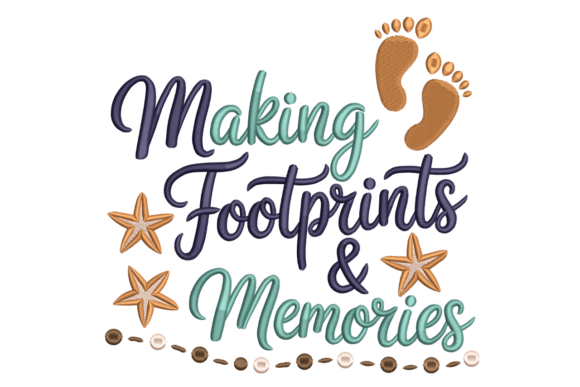
When evaluating a new machine embroidery design for my studio, I look beyond the digital preview. I need to know how the file behaves under the needle and whether it translates into a high-quality finished product that clients will cherish. The "Making Footprints Memories" design immediately caught my attention as a potential staple for nursery decor and sentimental keepsakes. Featuring elegant script typography in calming navy and seafoam tones, this design promises a nostalgic aesthetic perfect for seaside-themed projects. However, as an experienced reviewer and maker, I know that elegant script can be deceptively complex. Here is my practical assessment of how this embroidery file performs in real-world applications, from custom apparel to boutique merchandise.
First Impressions and Visual Personality
My initial reaction to Making Footprints Memories was that it strikes a difficult balance between whimsy and sophistication. Many nursery-themed designs lean too heavily into cartoonish aesthetics, but this file feels more refined. The interplay of navy and seafoam suggests a coastal vibe without being overtly nautical, making it versatile for various personalized gift categories. The script typography appears fluid, which is excellent for visual appeal but requires careful attention during stitching. As a designer, I appreciate that the layout leaves adequate negative space, allowing the text to breathe rather than feeling cramped within the hoop size. This openness is crucial when adapting the design for different substrates, as it prevents the embroidery from becoming too dense or stiff on lighter fabrics.
Real-World Application: Stitching a Custom Tote Bag
To truly test the viability of this design for a craft business or Etsy shop, I approached it with a specific project in mind: a personalized canvas tote bag intended as a beach memory keeper. Canvas is a fantastic medium for tote bag design because its stability supports detailed lettering, but it also reveals any registration issues in the digitizing.
During the stitch-out, I observed how the satin stitch elements in the script handled the textured surface of the canvas. The navy thread provided excellent contrast against the natural fabric, while the seafoam accents added a soft highlight that didn't get lost in the weave. For fellow makers considering this for commercial embroidery, the design stitched out cleanly with minimal jump stitches, which significantly reduces post-production trimming time. This efficiency is vital when producing small shop products where margins matter. The final result felt substantial and professional, transforming a plain utility item into a premium handmade product that justifies a higher price point.
Best Use Cases for Apparel and Nursery Decor
Beyond tote bags, Making Footprints Memories shows strong potential across several categories. Based on the stitch structure and color palette, here is where I see this design thriving:
- Sweatshirt Embroidery: The nostalgic font pairs beautifully with heavyweight French terry or fleece. Placing this design on the left chest or centered above the cuff creates a trendy, vintage-inspired look that appeals to modern parents.
- Baby Embroidery: For onesies or bibs, the seafoam and navy palette is gender-neutral and soothing. However, ensure you are using a soft backing to prevent the embroidery from scratching sensitive skin.
- Nursery Pillows: This is perhaps the strongest use case. The design has enough visual weight to stand alone on a linen pillow cover, serving as a focal point in coastal or neutral room themes.
- Holiday Embroidery: While not explicitly seasonal, the colorway works surprisingly well for "first beach trip" summer holiday gifts or even subtle winter coastal themes depending on the accompanying graphics.
Critical Considerations for Fabric and Stabilizer
While the design is versatile, it is not immune to technical challenges. Elegant script typography demands respect. If you plan to use Making Footprints Memories on stretchy knits like jersey or ribbed cotton, you must prioritize stabilization. A cut-away stabilizer is non-negotiable here to prevent the letters from distorting or puckering after washing. I would advise against using this specific file on highly textured terry cloth or deep-pile towels unless you utilize a water-soluble topping; otherwise, the finer details of the script may sink into the fabric texture and become illegible.
Additionally, consider the stitch density relative to your garment choice. If applying this to a lightweight baby tee, test first. Script fonts often have overlapping satin stitches that can create rigid spots. For delicate items, you might need to adjust the density in your software or choose a lighter weight thread to maintain the drape of the fabric. Always verify that your chosen thread colors match the intended mood; swapping the seafoam for a brighter teal, for example, could shift the design from nostalgic to neon, altering the perceived value of the custom apparel.
Commercial Viability and Brand Consistency
For Etsy sellers and creative entrepreneurs, consistency is key to building brand recognition. Making Footprints Memories offers a cohesive aesthetic that can anchor a collection. When creating printable mockups or digital listings, the navy and seafoam combination photographs exceptionally well, providing clear contrast that stops the scroll. However, before listing any digital embroidery file adaptations or finished goods, always confirm the licensing terms associated with this specific asset. Ensure you have the right to sell physical items versus digital files, as these permissions often differ.
From a buyer engagement perspective, this design taps into the emotional market effectively. Customers aren't just buying embroidery; they are buying a vessel for memory-making. When marketing this, focus on the storytelling aspect. Show the design on a sand-covered hem or paired with actual footprint photos in your listing images. This contextual presentation helps buyers visualize the personalized gift potential far better than a flat digital render ever could.
Designer Notes for Successful Execution
To ensure your projects meet professional standards, keep these practical tips in mind when working with Making Footprints Memories:
- Test on Scrap Fabric First: Never run this design directly on a final product without a test stitch-out. Verify that the script connections hold and that the tension is balanced.
- Check Thread Contrast: If stitching on dark navy fabric, the navy portion of the design will disappear. You may need to substitute a lighter blue or white for those sections to maintain readability.
- Review Small Details: Inspect the smallest loops in the script. If they are too tight for your machine or needle size, consider scaling up the design slightly to avoid thread breaks or bird nesting.
- Mockup in Black and White: Before committing to production, view your placement mockup in grayscale. This ensures the design has enough tonal variation to be visible regardless of color perception.
- Verify Hoop Compatibility: Confirm the physical dimensions of the file against your available hoops. Resizing script can sometimes distort stroke width, so try to use the design at its original size or within a 10-15% variance.
Making Footprints Memories is a thoughtful addition to any embroiderer's library, particularly for those specializing in sentimental or coastal-themed goods. By understanding its technical requirements and best applications, you can leverage this design to create beautiful, profitable, and meaningful work that resonates with customers and stands the test of time.